[ Film / Synopsis ]
An injured dancer rehearses through a synthetic body double that begins revealing the movements she has been refusing to remember.
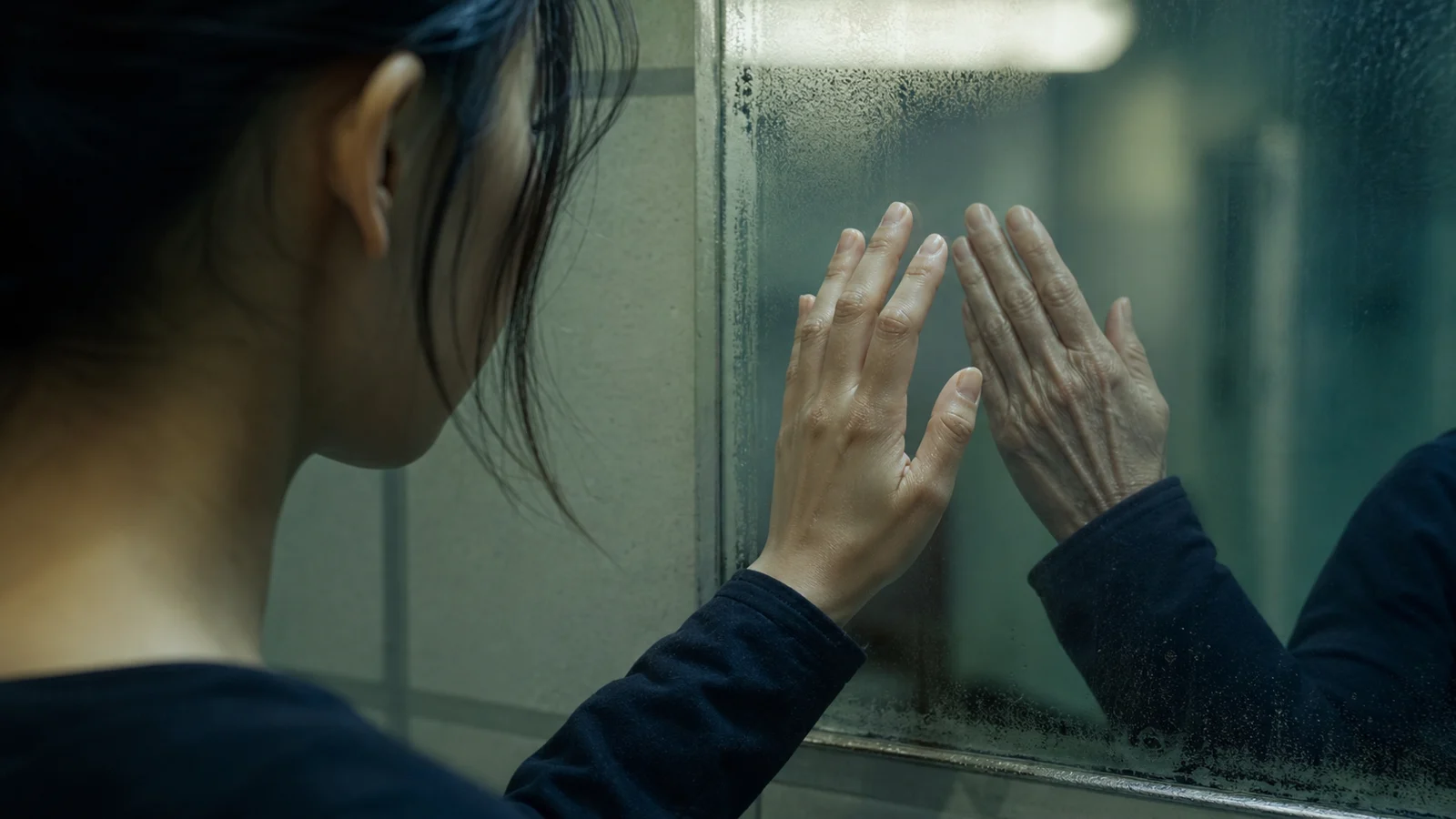
Contemporary dancer Min-seo has stopped performing after a rehearsal injury she insists was accidental. To complete a commissioned solo, she works with a synthetic body double driven only by her own captured motion, facial timing, and breath. The double can change age, costume, and physical proportion, but it cannot originate choreography. During late-night sessions, Min-seo notices gestures appearing at the edge of approved takes: a protective turn of the shoulder, a hand signalling someone offstage, a fall interrupted before impact. She begins reconstructing the rehearsal that preceded her injury while the studio’s mirrored walls make it difficult to distinguish memory from current performance. The thriller depends on minute bodily evidence rather than an autonomous replica. Each synthetic passage remains linked to a recorded human source, and the final movement vocabulary emerges through rehearsal, conflict, and Min-seo’s decision about what her second body may reveal.
“For preserving the temporal authority of a live performer while using synthetic embodiment to expose memory, injury, and fear with extraordinary precision.”International Jury citation
- Director
- Jeong Yu-ri
- Production entity
- Second Pulse Performance Works
- Entity type
- AI-native performance studio
- Country / region
- South Korea
- Runtime
- 69 min
- Language
- Korean
- Format
- 4K · 2.00:1 · 7.1 mix
- Genre
- Psychological performance thriller
- Completed
- 31 May 2026
- Production window
- 11 months
- Festival master / version
- Festival master v1.6 · checksum locked
[ Named authorship / Principal credits ]
Creative team
[ Production entity / Profile ]
Second Pulse Performance Works
Second Pulse Performance Works develops actor- and dancer-led synthetic embodiment for screen narratives. Its contracts keep temporal performance authority with the contributing artist and separate each role, body, and release window.
[ 51% Standard / Assessed creative participation ]
75%
AI participation is assessed across the full chain of authorship, supported by journals, model logs, version histories, stems and finishing records.
[ Capability record / 2026 signal ]
Where this film points
- Neural performance transfer
- Consent-bound voice & likeness
The film demonstrates synthetic embodiment whose time and intention remain anchored to a named performer. It predicts performance rights moving from broad likeness clauses to role-specific, reversible transformation licenses.
The performer alone authored the choreography and decided which bodily memories could be transformed, repeated, or withheld.
[ Breath Before the Duplicate ]
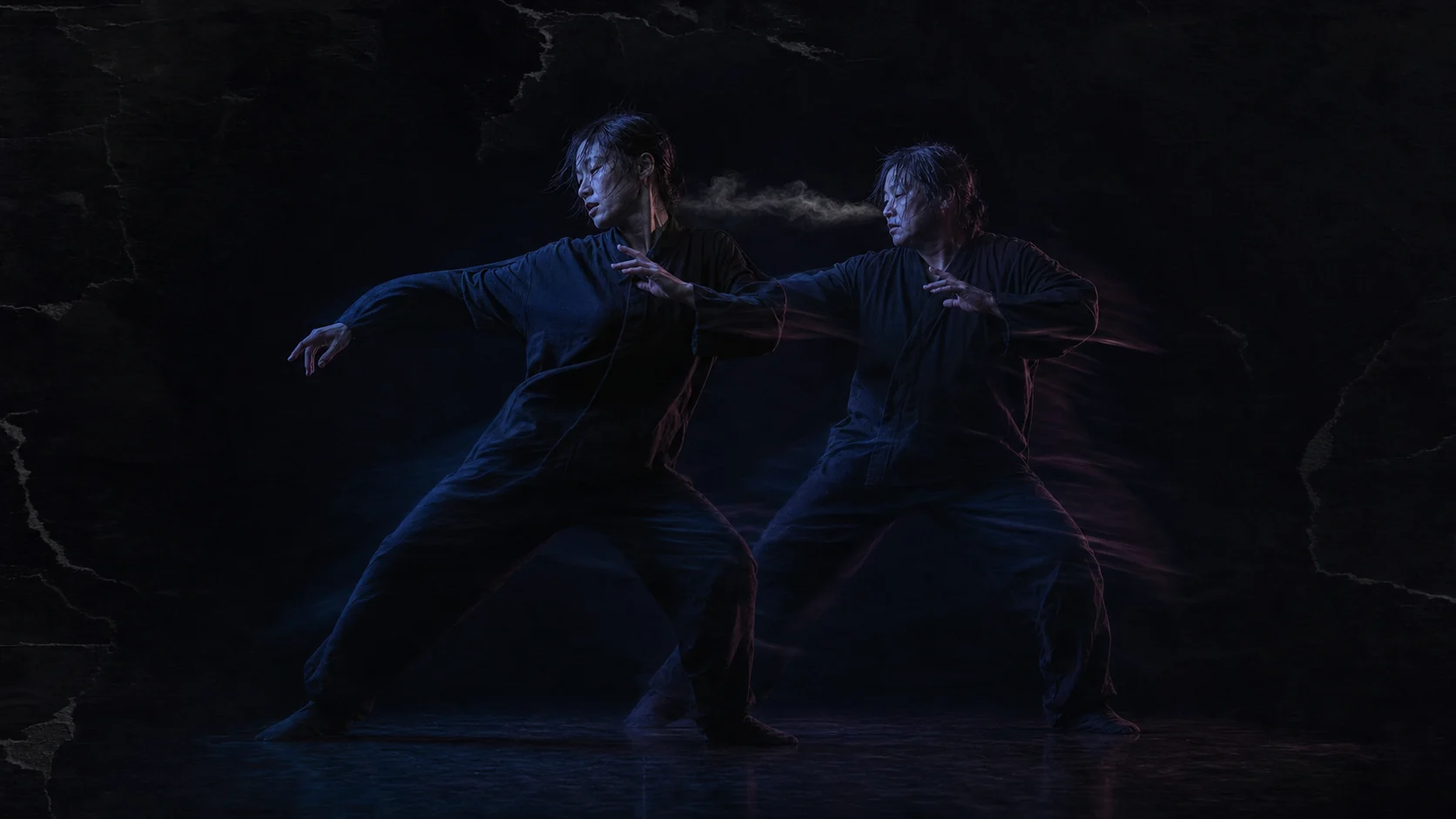
Min-seo performs a six-second phrase while her synthetic double repeats it at a different age and scale. Both bodies share the same recorded breath.
[ Production method / Documented workflow ]
How the film was made
The record distinguishes authored decisions, bounded machine operations and final human approvals across the production chain.
The script maps remembered gestures to specific rehearsal events, and no system could propose movement outside the writers’ approved dramatic vocabulary.
The lead performer authored all motion, facial rhythm, and breath, approving each source take and every permitted transformation.
Performance transfer drives controlled synthetic bodies across age and proportion while preserving timing, contact points, gaze, and studio geography.
Editors built suspense from discrepancies between takes and retained clear source links for every transformed performance fragment.
Original breath and foot contact remain authoritative; synthetic vocal texture is restricted to consented phonetic ranges and selected scenes.
The studio archived source takes, performer approvals, transformation scopes, excluded body states, edit decisions, and release files.
“For preserving the temporal authority of a live performer while using synthetic embodiment to expose memory, injury, and fear with extraordinary precision.”
[ Records / Rights / Provenance ]
Reviewer-ready evidence
The record links every synthetic gesture to its performer source, dramatic purpose, selected take, and editorial placement.
Body, face, motion, breath, and voice permissions define roles, transformations, territories, duration, and withdrawal procedures.
Transfer lineage, performer-specific adapters, source clips, transformation settings, exclusions, and output seeds are preserved.
The package contains the picture master, mix, subtitles, access files, performance-source index, and checksum record.